

Whether you’re a newcomer or looking to brush up on the basics, understanding the core rules and some simple strategies can set you on the path to enjoying this rich, strategic game. Let’s dive into the essentials.
Magic: The Gathering (MTG) is a captivating collectible card game that has enthralled players since its debut in 1993. Whether you’re a newcomer or looking to brush up on the basics, understanding the core rules and some simple strategies can set you on the path to enjoying this rich, strategic game. Let’s dive into the essentials.
The Basics of Gameplay
Magic is typically a two-player game where each player starts with a deck of at least 60 cards, a life total of 20, and a burning desire to outwit their opponent. The goal? Reduce your opponent’s life total to zero before they do the same to you. Cards represent spells, creatures, and resources, and the game unfolds in turns with distinct phases.
Each turn consists of several phases: Beginning (untap, upkeep, draw), Main Phase (where you play most cards), Combat (attacking and blocking), and a second Main Phase, followed by the End Phase. The key resource in Magic is mana, generated primarily by playing Land cards like Forests, Plains, or Mountains. You can play one Land per turn, and they’re used to “pay” for spells and creatures by tapping them (turning them sideways).
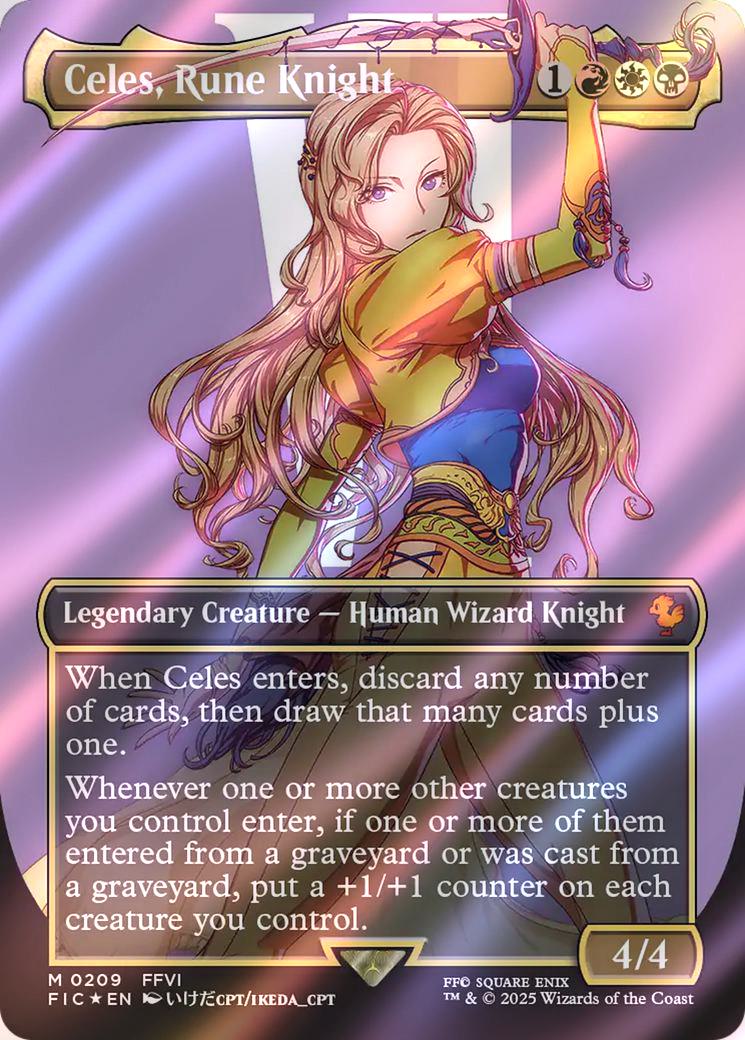
Cards come in various types: Creatures fight for you, Sorceries and Instants offer one-time effects (Instants can be cast anytime you have priority, even on your opponent’s turn), Enchantments and Artifacts provide ongoing benefits, and Planeswalkers are powerful allies with unique abilities. Each card has a casting cost, shown in the top right corner, requiring specific colors and amounts of mana.
The Golden Rules
A few principles govern Magic. If a card’s text contradicts the rules, the card wins. You can’t pay a cost (like mana or sacrificing a creature) unless you have the resources available. And timing matters—most actions can only be taken when you have “priority,” a mechanic that ensures turns flow smoothly.
Combat and Winning
Combat is a cornerstone of MTG. During your Combat Phase, you choose which creatures attack. Your opponent decides which of their creatures block. Each creature has power (damage it deals) and toughness (damage it can take before dying). If a creature’s toughness drops to zero or below, it’s destroyed. Unblocked attackers deal damage to the defending player’s life total. You can also win by forcing your opponent to draw from an empty deck or through specific card effects.
Basic Strategies for Success
Now, let’s talk strategy. First, build a balanced deck. A good starting ratio is 24 Lands, 24 Creatures, and 12 Spells (like Sorceries or Instants). Too few Lands, and you’ll stall; too many, and you’ll lack action. Stick to two colors initially to keep mana consistent—say, Green for big creatures and Red for direct damage.
Second, manage your resources. Don’t play every card the moment you can. Hold Instants for surprise blocks or key moments. Third, know your win condition. Are you overwhelming with creatures or chipping away with spells? Build toward that goal. Finally, adapt to your opponent. Watch their plays—do they favor aggression or control? Adjust accordingly.
Magic: The Gathering is a game of endless depth, but these basics will get you casting spells and swinging creatures in no time. Shuffle up, play a few games, and let the fun begin!

Leave a Reply