
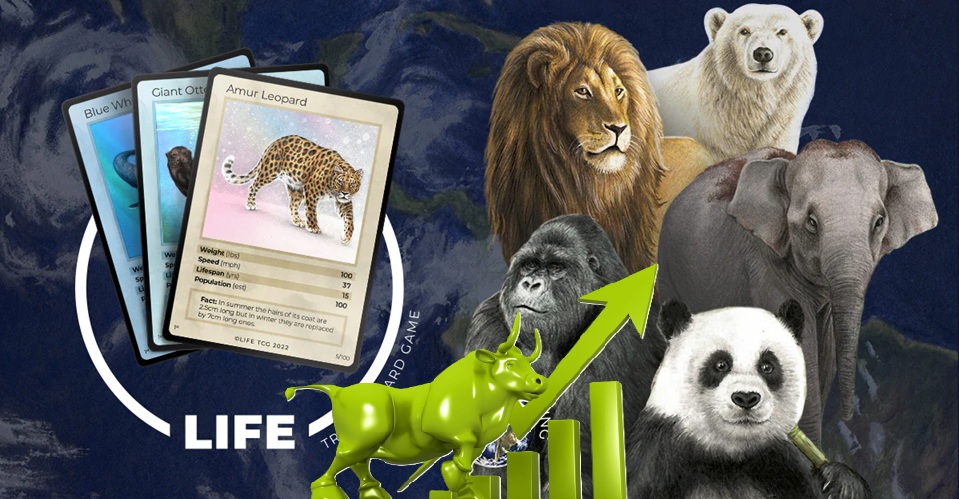
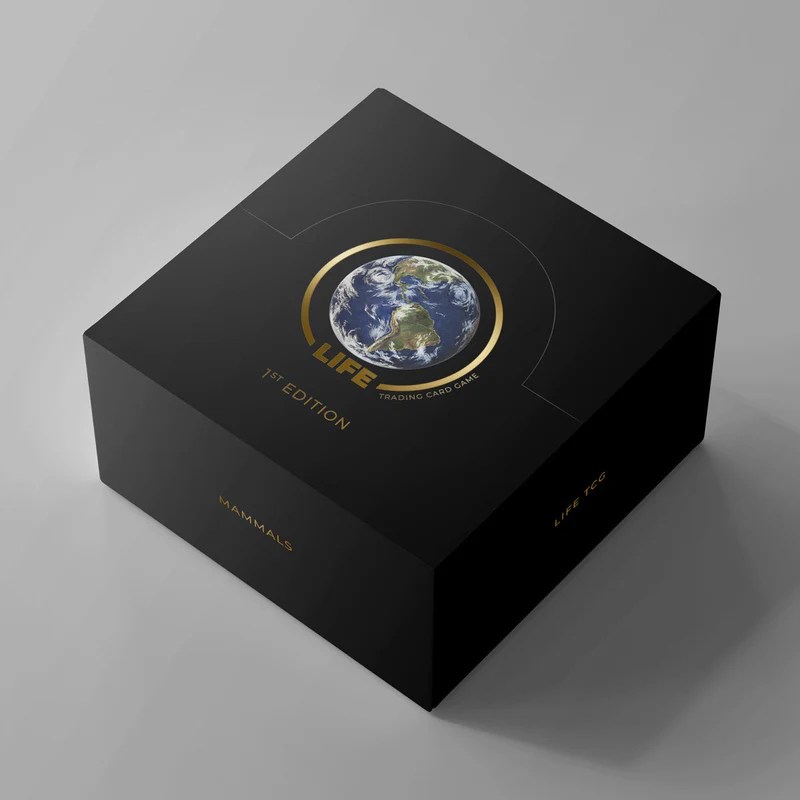
In the ever-expanding world of trading card games (TCGs), few launches have captured the imagination quite like Life TCG‘s Mammals set. Launched in late 2023 as the inaugural edition of this UK-based indie TCG, the game blends collectibility with environmental advocacy, partnering with the World Wildlife Fund (WWF) to spotlight endangered species. Each holographic “1st Edition” card’s print run mirrors the estimated wild population of its featured mammal—resulting in ultra-limited rarities like the South China Tiger (just 8 copies) or the one-of-a-kind Earth card. What started as a niche Kickstarter success has exploded into a collector’s frenzy by October 2025, with booster boxes and singles commanding premiums far beyond their MSRP. This brief analysis dives into the drivers of this dramatic price surge, current market values, and whether the hype holds up for players and investors alike.
What Fuels the Demand?
The Mammals set’s appeal lies in its ethical core: 20% of profits support wildlife conservation, and cards double as educational tools, detailing stats like weight, speed, lifespan, and quirky facts (e.g., the vaquita’s dolphin-like echolocation). With 190 unique cards across commons, uncommons, rares, and holos, gameplay emphasizes strategic matchups based on animal attributes—think pitting a swift cheetah against a hefty elephant. But it’s the scarcity that ignited the fire.
Only 2,000 Gold Booster Boxes were produced, each containing 36 packs (360 cards total), including guaranteed holos, rares, and exclusives like the 1-of-1 Holo Albino Panda. By June 2025, these sold out worldwide, with no reprints planned—Life TCG vows to avoid unlimited runs to preserve rarity. Community buzz on Reddit’s r/TCG subreddit highlights the excitement: collectors praise the “fun, guilt-free” openings that “fill the IRL gap in trading cards,” while events like Collect-a-Con see last-minute grabs of “final first-edition stock.” Social media ads and WWF tie-ins have drawn non-traditional TCG fans, including families and eco-enthusiasts, broadening the audience beyond Pokémon or Magic: The Gathering die-hards. As one Redditor noted, “It’s the most fun I’ve had opening packs in years—plus, it actually helps animals.”
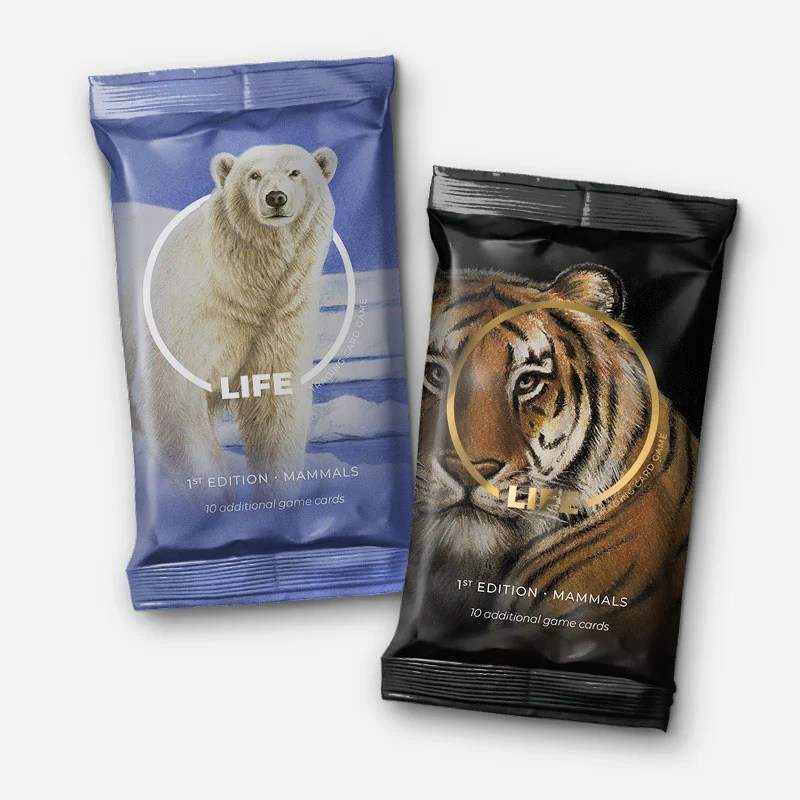
This perfect storm of limited supply, viral marketing, and feel-good factor has created FOMO (fear of missing out). Upcoming sets like Birds (launched mid-2025) and a potential Mammals 2.0 have only amplified urgency, as early adopters eye long-term appreciation.
Price Breakdown: From MSRP to Market Mayhem
At launch, accessibility was key: A Gold Booster Box retailed for £90 (~$115 USD), with Starter Boxes at £30 (~$38) and Promo Boxes at £16 (~$20). Fast-forward to October 2025, and the secondary market tells a tale of explosive growth.
| Product | MSRP (USD) | Secondary Market (Oct 2025) | Increase |
|---|---|---|---|
| Gold Booster Box (Sealed) | $115 | $450–$550 (eBay averages; e.g., €450 or Best Offer) | +290–380% |
| Starter Box | $38 | $80–$120 (scarce listings) | +110–215% |
| Individual Rares (e.g., Amur Leopard Holo, print run 100) | $5–10 | $50–$150 (NM condition) | +400–1500% |
| Ultra-Rares (e.g., South China Tiger, print run 8) | N/A | $300–$1,000+ (PSA-graded) | N/A (chase cards) |
| Earth Card (1-of-1) | N/A | Auction est. $5,000+ (ungraded speculation) | N/A |
Data from eBay and PSA auctions shows 47 Mammals cards sold for a collective $1,638 in recent months, averaging ~$35 per card—but chase holos skew this upward. Boxes, once abundant at retail, now fetch 4–5x MSRP due to scalpers and investors; one sealed Gold Box listing hit $534 USD equivalent. Singles markets on eBay offer “choose your card” lots for rares (#1–25) at $20–$100 each, with graded PSA 9 versions (e.g., South China Tiger) pushing into four figures. This surge mirrors broader TCG trends—like Magic’s collector box spikes—but Life’s conservation angle adds a premium, with buyers citing “investment in the planet” as justification.
Review: Hits, Misses, and Investment Verdict
Pros: The cards’ matte finishes, vibrant wildlife art (by Emmy Dalas), and eco-packaging (paper over plastic) elevate it beyond gimmickry. Gameplay is accessible for newcomers—quick stat-based battles encourage trading—while the rarity system rewards completionists without feeling predatory. At current prices, unopened boxes could appreciate 20–50% annually if demand sustains, especially with a digital app in development.
Cons: Scalping has priced out casual fans; a $500 box feels exclusionary for a game meant to educate kids. Distribution woes (e.g., Texas retailer notes) and limited play communities hinder organized events. Compared to established TCGs, Life lacks depth for competitive scenes, positioning it more as a collector’s darling than a staple.
Overall, Life TCG Mammals earns a solid 4.5/5 for innovation and heart—it’s not just cards; it’s a movement. But at these prices, it’s a gamble: Buy for passion, not pure profit.
Looking Ahead: A Wilder Future?
As Birds sets fly off shelves and Mammals 2.0 looms, Life TCG’s trajectory points upward. If the WWF partnership expands and meta-events grow, expect prices to stabilize at 2–3x MSRP while values climb for true rarities. For collectors, snag singles now; for players, wait for reprints in future expansions. You can lock in the Bird Collector Boxes and Booster Packs on eBay now by Clicking Here. In a market bloated with fantasy foes, Life reminds us: The real chase is saving what’s left of the wild.



 Magic: The Gathering Source
Leave a comment