Below is a 1000-word blog post on the history of Magic: The Gathering. It traces the game’s origins, evolution, and cultural impact while keeping the tone engaging and informative. Let’s dive in!
The History of Magic: The Gathering: From Basement Brainstorm to Global Phenomenon
In the pantheon of tabletop gaming, few titles shine as brightly or endure as steadfastly as Magic: The Gathering. Launched in 1993, it’s widely regarded as the world’s first collectible card game (CCG), a revolutionary concept that blended strategy, storytelling, and community into an addictive, ever-evolving experience. Over three decades later, Magic has grown from a niche experiment into a cultural juggernaut, boasting millions of players, a thriving competitive scene, and a sprawling digital presence. So how did a game dreamed up by a mathematician in a basement become a global phenomenon? Let’s shuffle through its history.
The Spark of Genius: Richard Garfield and the Birth of Magic
The story begins with Richard Garfield, a Ph.D. student in combinatorial mathematics at the University of Pennsylvania in the early 1990s. Garfield was an avid gamer with a knack for designing games as a hobby. In 1991, he pitched an idea to Peter Adkison, founder of a small gaming company called Wizards of the Coast. Garfield’s concept was simple yet radical: a card game where each player brought their own deck, built from a collection of cards with unique abilities. Unlike traditional games with fixed rules and pieces, this game would evolve with every new card released, offering infinite replayability.
Wizards of the Coast, then a fledgling outfit focused on role-playing game supplements, saw potential. Garfield’s prototype, originally called Mana Clash, was refined over two years. The game drew inspiration from tabletop role-playing games like Dungeons & Dragons, cosmic horror, and fantasy tropes, with a resource system—mana—tying it all together. Renamed Magic: The Gathering, it hit shelves in August 1993 as a limited “Alpha” print run of 2.6 million cards.
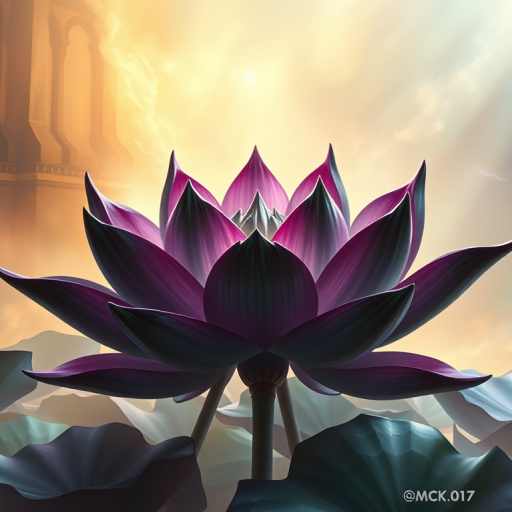
The response was explosive. The Alpha set sold out almost instantly, followed by a Beta run in October 1993 to correct typos and balance issues. Players were hooked on the idea of collecting rare cards like the “Black Lotus” and crafting decks to outwit opponents. By year’s end, Magic had ignited a frenzy, and Wizards scrambled to meet demand.
The Early Years: Growing Pains and Innovations
The mid-1990s were a whirlwind for Magic. New sets like Arabian Nights (1993) and Antiquities (1994) introduced thematic expansions, while Legends (1994) debuted multicolored cards, deepening strategic complexity. But rapid growth brought challenges. The initial card pool included overpowered “Power Nine” cards (e.g., Black Lotus, Moxes), which skewed gameplay and inflated secondary market prices. Wizards responded with the Reserved List in 1996, promising never to reprint certain cards to preserve their value—a decision still debated by fans today.
Organized play also took root. In 1994, Wizards launched the Duelists’ Convocation (later the DCI), sanctioning tournaments and creating a competitive framework. The first Magic World Championship followed in 1994, won by Zak Dolan, cementing the game’s status as a serious pursuit. Meanwhile, the community thrived through local game stores, conventions, and early internet forums, fostering a grassroots culture that fueled Magic’s spread.
By 1997, Magic had sold millions of cards across sets like Mirage and Tempest, introducing cohesive storytelling through the Weatherlight saga—a tale of airships and interdimensional war. The game’s lore, once a backdrop, became a driving force, captivating players beyond the battlefield.
Mainstream Momentum: The Late ’90s and Early 2000s
As Magic entered the late 1990s, it hit mainstream stride. Wizards, now flush with success, was acquired by Hasbro in 1999 for $325 million, securing Magic’s financial future. Sets like Urza’s Saga (1998) and Invasion (2000) pushed design boundaries, though some cards (e.g., Tolarian Academy) required bans for balance. The Pro Tour, launched in 1996, grew into a global circuit, with players like Jon Finkel and Kai Budde becoming legends.
The early 2000s saw Magic refine its identity. The Onslaught block (2002-2003) leaned into tribal synergies (e.g., Goblins, Elves), while Mirrodin (2003) introduced artifacts as a dominant force. Wizards also debuted Magic Online in 2002, a digital platform that brought the game to computers, albeit with a clunky interface. Though not an instant hit, it laid groundwork for Magic’s digital evolution.
Reinvention and Resilience: 2010s to Today
By the 2010s, Magic faced competition from CCGs like Pokémon and Yu-Gi-Oh!, as well as the rise of video games. Wizards responded with innovation. The Innistrad set (2011) delivered gothic horror and fan-favorite mechanics like double-faced cards. Return to Ravnica (2012) revisited a beloved plane, reinforcing Magic’s multiverse as a storytelling asset. Annual core sets, once a staple, were phased out in 2015, then briefly revived, reflecting Wizards’ willingness to adapt.
The game’s biggest leap came with Magic: The Gathering Arena in 2018. This sleek, free-to-play digital client modernized Magic for a new generation, integrating tutorials, cosmetics, and a robust esports ecosystem. Arena exploded during the COVID-19 pandemic, as physical play paused and players flocked online. Today, it’s a cornerstone of Magic’s strategy, hosting high-stakes tournaments like the Arena Championship.
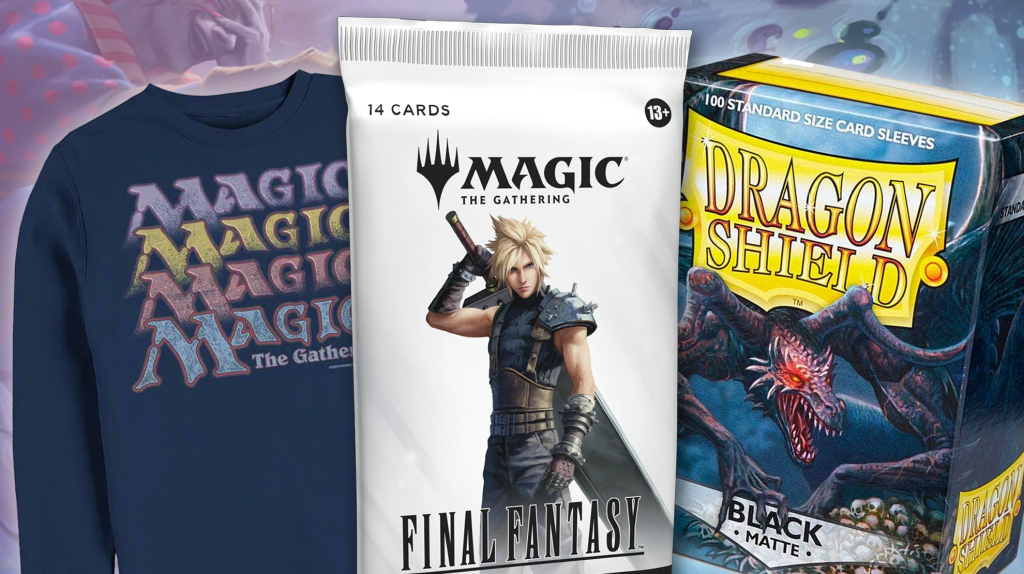
Physical Magic hasn’t slowed either. Sets like Throne of Eldraine (2019) and Universes Beyond crossovers (e.g., The Lord of the Rings, 2023) blend classic design with pop culture appeal. The Commander format, born from fan creativity in the 2000s, became an official juggernaut, emphasizing casual, multiplayer fun. Meanwhile, the secondary market thrives, with rare cards fetching thousands—Black Lotus sold for over $500,000 in 2021.
Cultural Impact and Legacy
Magic: The Gathering isn’t just a game; it’s a phenomenon that reshaped gaming. It pioneered the CCG genre, inspiring countless imitators, and proved that player-driven ecosystems could thrive. Its mana system—five colors representing distinct philosophies—remains a masterstroke of design, balancing accessibility with depth. The game’s art, from early classics by Jesper Myrfors to modern masterpieces, is a gallery of fantasy imagination.
Beyond mechanics, Magic built a community. It’s a social glue for friends, a proving ground for strategists, and a canvas for collectors. Its inclusivity has grown, with diverse characters and stories reflecting its global audience. From Pro Tour champions to kitchen-table planeswalkers, Magic unites millions.
As of March 11, 2025, Magic shows no signs of fading. With over 20,000 unique cards, annual releases, and a digital renaissance, it’s a living entity, evolving with its players. Richard Garfield’s basement brainstorm has become a multibillion-dollar empire, but at its core, it’s still about casting spells, outsmarting foes, and chasing that next rare card.
Final Thoughts
The history of Magic: The Gathering is a tale of innovation, adaptation, and passion. From Alpha’s humble 1993 debut to Arena’s digital dominance, it’s weathered challenges and seized opportunities, all while staying true to its roots. Whether you’re a veteran slinging spells or a newcomer tapping lands, Magic invites you to join its endless adventure. So, shuffle up, draw seven, and let the game begin—because in Magic, the next chapter is always just a card away.

 Magic: The Gathering Source
Leave a comment